
Harvey Buck, Roche Diagnostics Operations, Inc., Indianapolis, IN, USA
The test strips in glucose monitors, widely used by people with diabetes to maintain good health, are sensitive to chemical interferences and environmental conditions. The manufacturing process and electrode configuration of these strips also affects response accuracy. Researchers at Roche Diagnostics Operations, Inc. used multiphysics simulation to analyze the chemical reactions and voltage response in their glucometers.
Using COMSOL Multiphysics, Harvey Buck, principal scientist at Roche, investigated different configurations and materials used in the test strips. He analyzed the electrical response to an applied voltage during the chemical reaction catalyzed in a sample. Through numerical simulation, he predicted the sensitivity of electrical impedance measurements to mechanical properties of the sensor. He also optimized the electrode configuration, maximized sensitivity to cell fraction in a sample, and minimized sensitivity to manufacturing tolerances. These simulation results have given the Roche team a better understanding of their integrated sensor design for glucose monitoring.
Suggested Stories
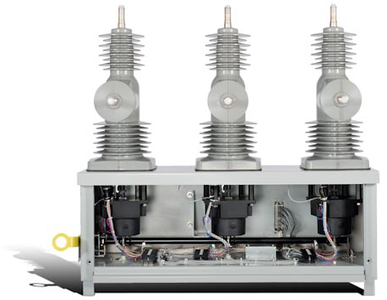
How Reclosers Ensure a Steady Supply of Power: It’s All in the Magnet
When a tree branch touches overhead cables and causes a momentary short circuit, your lights may flicker. A device ...

Silent Air Cooling: A New Approach to Thermal Management
Removing heat from electronic devices is a necessity that up until now was achieved by rotary fans. Tessera, a company ...

Développer de meilleurs résonateurs pour la technologie CMOS
Les technologies sub-GHz sont utilisées en masse pour la domotique, la surveillance des infrastructures, etc. Cette ...
Multiphysics Analysis Advances Water Main Leak Detection
As infrastructure ages and becomes obsolete, municipalities must deal with the constant updating and renovating ...


