
Evènements


Méthodologie de modélisation


Electromagnétisme


Structure & acoustique


Fluide & thermique


Chimie


Interfaces


Général
Fuseau horaire:
Mon fuseau horaire (EDT)
Horaire organisateur
08:00 AM - 08:00 PM
Affichage:
Recherche
Evènements démarrant entre: 08:00 – 20:00
Evènements à venir
Chargement des Évènements

avr. 30
| 09:00 BST
Modeling Biochemical Sensors and Testing Devices with COMSOL®
COMSOL
Webinaire
En ligne
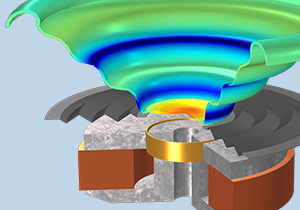
mai 5–8
| 11:00 EDT
Acoustics Modeling in COMSOL Multiphysics®
COMSOL
Formation
En ligne

mai 5
| 11:00 EDT
Multiphysics Modeling for Acoustics Applications, Part 2: Acoustic–Thermal Interaction (Thermoacoustics)
COMSOL
Webinaire
En ligne

mai 8
| 12:30 PDT
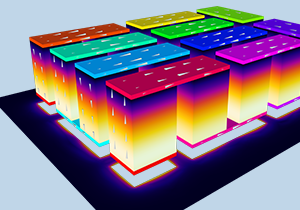
COMSOL Simulation Summit: Santa Clara
COMSOL
Summit
Santa Clara
mai 12
| 08:00 CEST
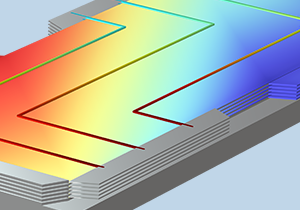
Equation-Based Modeling with COMSOL®
COMSOL
Webinaire
En ligne
mai 12–15
| 11:00 EDT
Fuel Cell & Electrolyzers in COMSOL Multiphysics®
COMSOL
Formation
En ligne

mai 14
| 09:00 BST
Introduction to Explicit Dynamics in Version 6.4
COMSOL
Webinaire
En ligne

mai 14
| 11:00 EDT
Modeling Granular Flow with COMSOL Multiphysics®
COMSOL
Webinaire
En ligne
mai 19
| 08:00 CEST
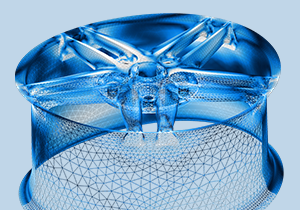
Preparing CAD for Analysis with COMSOL®
COMSOL
Webinaire
En ligne

mai 19–20
| 09:00 EDT
CLEO
Fournisseur
Exhibition
Charlotte

mai 19
| 11:00 EDT
Synthetic Multiphysics Data for AI Training
COMSOL
Webinaire
En ligne
mai 19–22
| 11:00 EDT
Introduction to COMSOL Multiphysics®
COMSOL
Formation
En ligne
mai 20
| 09:00 BST
Modeling Water Treatment Processes in COMSOL Multiphysics®
COMSOL
Webinaire
En ligne

mai 26
| 11:00 EDT
Multiphysics Modeling for Acoustics Applications, Part 3: Acoustic-Flow Interaction (Aeroacoustics)
COMSOL
Webinaire
En ligne

mai 28
| 11:00 EDT
COMSOL Day: MedTech
COMSOL
COMSOL Day
En ligne

juin 3
| 10:40 EDT
Battery Modeling with COMSOL Multiphysics®
Tech Briefs
Webinaire
En ligne

juin 7–9
| 09:00 EDT
IMS
Fournisseur
Exhibition
Boston
juin 8–12
| 11:00 PDT
AIAA Aviation Forum
COMSOL
Exhibition
San Diego
juin 9
| 08:00 CEST
Modeling Electric Motors & Generators
COMSOL
Webinaire
En ligne
juin 23
| 08:00 CEST
CFD Modeling with COMSOL® in 18 Minutes
COMSOL
Webinaire
En ligne
juin 23–26
| 11:00 EDT
Introduction to COMSOL Multiphysics®
COMSOL
Formation
En ligne
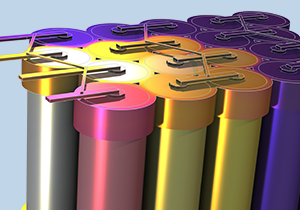
juil. 7
| 08:00 CEST
The Basics of COMSOL® in 18 Minutes
COMSOL
Webinaire
En ligne
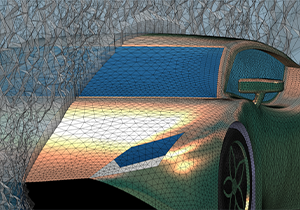
juil. 14
| 08:00 CEST
How to Build a Customized Mesh in COMSOL Multiphysics®
COMSOL
Webinaire
En ligne
juil. 21–24
| 11:00 EDT
Introduction to COMSOL Multiphysics®
COMSOL
Formation
En ligne
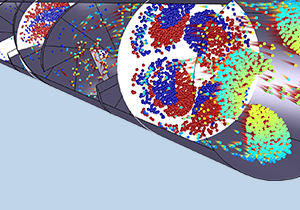
août 4
| 08:00 CEST
Solving Large Models in COMSOL Multiphysics®
COMSOL
Webinaire
En ligne

août 18
| 08:00 CEST
Thermomechanical Modeling with COMSOL® in 18 Minutes
COMSOL
Webinaire
En ligne
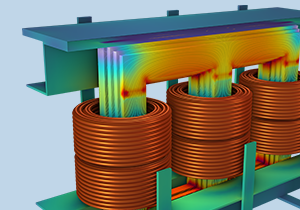
août 25–28
| 11:00 EDT
AC/DC Modeling in COMSOL Multiphysics®
COMSOL
Formation
En ligne

sept. 1
| 08:00 CEST
GPU Acceleration in COMSOL®
COMSOL
Webinaire
En ligne

sept. 1–4
| 11:00 EDT
CFD Modeling in COMSOL Multiphysics®
COMSOL
Formation
En ligne
sept. 15
| 08:00 CEST
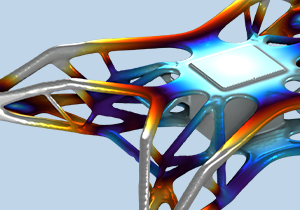
Design Optimization for Engineering Problems
COMSOL
Webinaire
En ligne
sept. 15
| 10:00 EDT
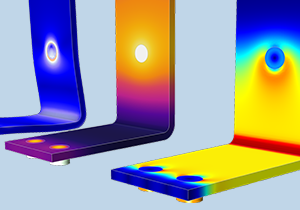
Introduction to Structural Analysis using COMSOL Multiphysics®
COMSOL
Formation
En ligne

oct. 7–9
| 08:00 EDT
COMSOL Conference 2026 Boston
COMSOL
Conference
Boston
oct. 11–14
| 08:00 EDT
Society of Engineering Science Technical Meeting 2026
COMSOL
Exhibition
West Lafayette

oct. 20–22
| 19:00 JST
COMSOL Conference 2026 Tokyo
COMSOL
Conference
Tokyo
Affichage de 8 sur 34 évènements
Affichage de 34 sur 34 évènements
| Date | Time | Title | Type | Host | Discipline |
|---|---|---|---|---|---|
| avr. 30 | 09:00 |
Modeling Biochemical Sensors and Testing Devices with COMSOL® |
Webinaire | COMSOL-En ligne |
|
| mai 5–8 | 11:00 |
Acoustics Modeling in COMSOL Multiphysics® |
Formation | COMSOL-En ligne |
|
| mai 5 | 11:00 |
Multiphysics Modeling for Acoustics Applications, Part 2: Acoustic–Thermal Interaction (Thermoacoustics) |
Webinaire | COMSOL-En ligne |
|
| mai 8 | 12:30 |
COMSOL Simulation Summit: Santa Clara |
Evènement spécial | COMSOL-Santa Clara |
|
| mai 12 | 08:00 |
Equation-Based Modeling with COMSOL® |
Webinaire | COMSOL-En ligne |
|
| mai 12–15 | 11:00 |
Fuel Cell & Electrolyzers in COMSOL Multiphysics® |
Formation | COMSOL-En ligne |
|
| mai 14 | 09:00 |
Introduction to Explicit Dynamics in Version 6.4 |
Webinaire | COMSOL-En ligne |
|
| mai 14 | 11:00 |
Modeling Granular Flow with COMSOL Multiphysics® |
Webinaire | COMSOL-En ligne |
|
| mai 19 | 08:00 |
Preparing CAD for Analysis with COMSOL® |
Webinaire | COMSOL-En ligne |
|
| mai 19–20 | 09:00 |
CLEO |
Evènement spécial | COMSOL-Charlotte |
|
| mai 19 | 11:00 |
Synthetic Multiphysics Data for AI Training |
Webinaire | COMSOL-En ligne |
|
| mai 19–22 | 11:00 |
Introduction to COMSOL Multiphysics® |
Formation | COMSOL-En ligne |
|
| mai 20 | 09:00 |
Modeling Water Treatment Processes in COMSOL Multiphysics® |
Webinaire | COMSOL-En ligne |
|
| mai 26 | 11:00 |
Multiphysics Modeling for Acoustics Applications, Part 3: Acoustic-Flow Interaction (Aeroacoustics) |
Webinaire | COMSOL-En ligne |
|
| mai 28 | 11:00 |
COMSOL Day: MedTech |
COMSOL Day | COMSOL-En ligne |
|
| juin 3 | 10:40 |
Battery Modeling with COMSOL Multiphysics® |
Webinaire | Tech Briefs - En ligne |
|
| juin 7–9 | 09:00 |
IMS |
Evènement spécial | COMSOL-Boston |
|
| juin 8–12 | 11:00 |
AIAA Aviation Forum |
Evènement spécial | COMSOL-San Diego |
|
| juin 9 | 08:00 |
Modeling Electric Motors & Generators |
Webinaire | COMSOL-En ligne |
|
| juin 23 | 08:00 |
CFD Modeling with COMSOL® in 18 Minutes |
Webinaire | COMSOL-En ligne |
|
| juin 23–26 | 11:00 |
Introduction to COMSOL Multiphysics® |
Formation | COMSOL-En ligne |
|
| juil. 7 | 08:00 |
The Basics of COMSOL® in 18 Minutes |
Webinaire | COMSOL-En ligne |
|
| juil. 14 | 08:00 |
How to Build a Customized Mesh in COMSOL Multiphysics® |
Webinaire | COMSOL-En ligne |
|
| juil. 21–24 | 11:00 |
Introduction to COMSOL Multiphysics® |
Formation | COMSOL-En ligne |
|
| août 4 | 08:00 |
Solving Large Models in COMSOL Multiphysics® |
Webinaire | COMSOL-En ligne |
|
| août 18 | 08:00 |
Thermomechanical Modeling with COMSOL® in 18 Minutes |
Webinaire | COMSOL-En ligne |
|
| août 25–28 | 11:00 |
AC/DC Modeling in COMSOL Multiphysics® |
Formation | COMSOL-En ligne |
|
| sept. 1 | 08:00 |
GPU Acceleration in COMSOL® |
Webinaire | COMSOL-En ligne |
|
| sept. 1–4 | 11:00 |
CFD Modeling in COMSOL Multiphysics® |
Formation | COMSOL-En ligne |
|
| sept. 15 | 08:00 |
Design Optimization for Engineering Problems |
Webinaire | COMSOL-En ligne |
|
| sept. 15 | 10:00 |
Introduction to Structural Analysis using COMSOL Multiphysics® |
Formation | COMSOL-En ligne |
|
| oct. 7–9 | 08:00 |
COMSOL Conference 2026 Boston |
Evènement spécial | COMSOL-Boston |
|
| oct. 11–14 | 08:00 |
Society of Engineering Science Technical Meeting 2026 |
Evènement spécial | COMSOL-West Lafayette |
|
| oct. 20–22 | 19:00 |
COMSOL Conference 2026 Tokyo |
Evènement spécial | COMSOL-Tokyo |
|
Webinaires à la demande

Material Homogenization
Webinaire
Apr 28

Modeling Microwave-Heated Multiphase Reactors Using COMSOL Multiphysics®
Webinaire
Apr 28
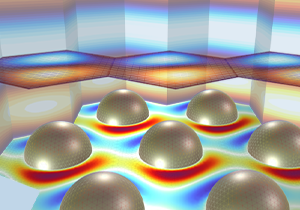
Modeling Optical Nanostructures with COMSOL Multiphysics®
Webinaire
Apr 23

Bonnes pratiques pour les études et les solveurs avec COMSOL Multiphysics®
Webinaire
Apr 23
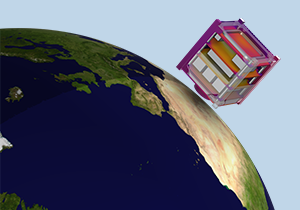
Modeling Heat Transfer of Spacecraft with COMSOL Multiphysics®
Webinaire
Apr 21

Design and Optimization of Semiconductor Fabrication Equipment Using COMSOL®
Webinaire
Apr 16
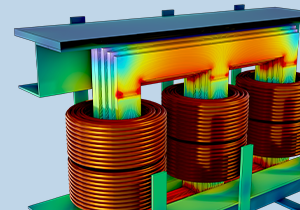
Modéliser les systèmes de puissance pour le réseau électrique avec COMSOL Multiphysics®
Webinaire
Apr 16

Improving Thermal Management of Electronic Devices with COMSOL Multiphysics®
Webinaire
Apr 15

Multiphysics Modeling for Acoustics Applications, Part 1: Acoustic–Structure Interaction (Vibroacoustics)
Webinaire
Apr 14
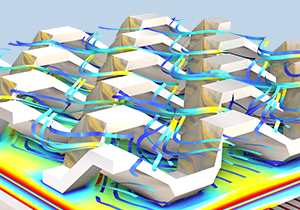
Solving Large Models in COMSOL Multiphysics®
Webinaire
Mar 25

Multiphysics Simulation for Automotive Power Electronics
Webinaire
Mar 25
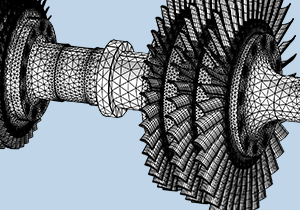
Comment construire un maillage personnalisé dans COMSOL Multiphysics®
Webinaire
Mar 19
Innovating Hydrogen Technologies with Simulation
Webinaire
Mar 18
Modeling Gyroscopes and Accelerometers in COMSOL Multiphysics®
Webinaire
Mar 17
Améliorer les Performances des Piles à Combustible et des Electrolyseurs avec COMSOL Multiphysics®
Webinaire
Mar 12
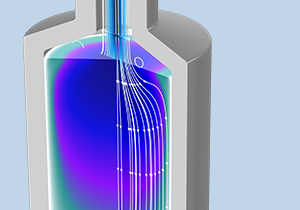
Predicting Viscous Fingering in Porous Media Using COMSOL Multiphysics®
Webinaire
Mar 05
Why Model and Simulate Batteries?
Webinaire
Mar 04

Editing, Repairing, and Combining Imported STL Files with CAD
Webinaire
Mar 03

Modeling Rotordynamics with COMSOL Multiphysics®
Webinaire
Feb 26
The Basics of COMSOL® in 18 Minutes
Webinaire
Feb 26
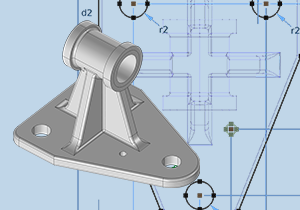
Modélisation géométrique avec COMSOL Multiphysics®
Webinaire
Feb 19

Modeling Nonlinear Photonics in Dielectric Resonant Metasurfaces Using COMSOL®
Webinaire
Feb 18
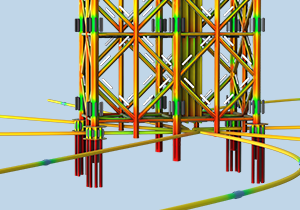
Modéliser la Corrosion et les Systèmes de Protection contre la Corrosion avec COMSOL Multiphysics®
Webinaire
Feb 12
Modeling and Simulation of MEMS Devices
Webinaire
Feb 04
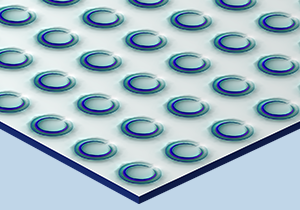
Modeling Photonic Crystals in COMSOL Multiphysics
Webinaire
Jan 29
Modéliser les batteries avec COMSOL Multiphysics®
Webinaire
Jan 29
Modeling Emerging Battery Technologies with COMSOL Multiphysics®
Webinaire
Jan 28
Modeling Emerging Battery Technologies with COMSOL Multiphysics®
Webinaire
Jan 28

Modéliser les Bobines avec COMSOL Multiphysics®
Webinaire
Jan 22
Automotive Acoustics Analysis Using COMSOL Multiphysics
Webinaire
Jan 21
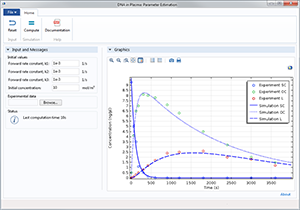
Parameter Estimation for Nonlinear Materials
Webinaire
Dec 11
Modéliser le contact mécanique avec COMSOL Multiphysics®
Webinaire
Dec 11

Introducing COMSOL Multiphysics® Version 6.4
Webinaire
Dec 10

Modéliser les dispositifs médicaux et biomédicaux avec COMSOL Multiphysics®
Webinaire
Dec 04
Multiphysics Simulation for Vehicle Electrification
Webinaire
Dec 02
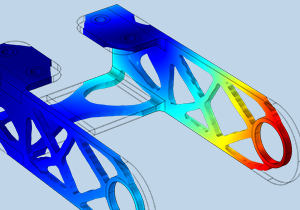
Optimising Manufacturing Processes Through Simulation
Webinaire
Nov 26
Designing Efficient Electric Motors with COMSOL Multiphysics
Webinaire
Nov 26

Efficient Battery Modeling with Surrogate Models
Webinaire
Nov 19

Automating Your Modeling Workflow in COMSOL Multiphysics®
Webinaire
Nov 18

Modéliser le packaging et les tests de dispositifs électroniques avec COMSOL Multiphysics®
Webinaire
Nov 13
Modeling Gyroscopes and Accelerometers in COMSOL Multiphysics®
Webinaire
Oct 30
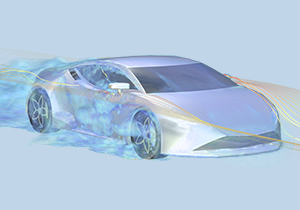
Modéliser les écoulements turbulents avec COMSOL Multiphysics®
Webinaire
Oct 16
Modeling and Simulation for Electric Motor Design
Webinaire
Oct 15
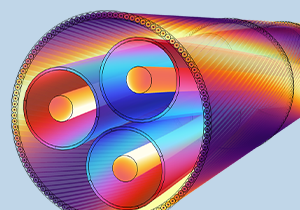
Simulating Electrical Power Systems for the Grid
Webinaire
Oct 14

Unravelling Chemomechanical Effects in Lithium-Ion Batteries
Webinaire
Oct 09
Modeling Next-Generation Battery Technologies with COMSOL Multiphysics®
Webinaire
Oct 06
Modeling Emerging Battery Technologies with COMSOL Multiphysics®
Webinaire
Sep 25
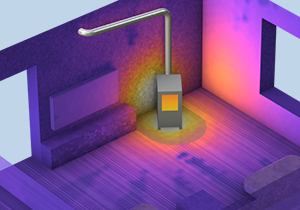
Modéliser le rayonnement thermique avec COMSOL Multiphysics®
Webinaire
Sep 25
Modeling and Simulation of MEMS Devices
Webinaire
Sep 23
Modéliser les moteurs électriques et les générateurs avec COMSOL Multiphysics®
Webinaire
Sep 18
Modeling Reaction Kinetics and Pharmacokinetics with COMSOL Multiphysics®
Webinaire
Sep 11
Optimization of Thermal Management Systems
Webinaire
Sep 03

Prediction of Electromagnetic Signatures of Naval Vessels with COMSOL Multiphysics
Webinaire
Aug 28
Bonnes pratiques pour évaluer et afficher les résultats dans COMSOL Multiphysics®
Webinaire
Aug 28
Modeling and Simulation for Electric Motor Design
Webinaire
Aug 14
Modeling Hydrogen Fuel Cells and Electrolyzers
Webinaire
Aug 06
Modeling Acoustic Metamaterials in COMSOL Multiphysics
Webinaire
Jul 31

Fatigue and Durability Analysis Using COMSOL Multiphysics®
Webinaire
Jul 24
Comment créer des modèles de substitution avec COMSOL Multiphysics®
Webinaire
Jul 24

Biomedical Modeling with COMSOL Multiphysics
Webinaire
Jul 17
Understanding Liquid Metal Transport in Magnetic Fields — Simulating Magnetohydrodynamic Duct Flow
Webinaire
Jul 11
Modeling Electric Motors and Drivetrains
Webinaire
Jul 10
Créer des applications de simulation et des jumeaux numériques avec COMSOL Multiphysics®
Webinaire
Jul 10

Memristor Modeling with COMSOL Multiphysics®
Webinaire
Jul 02
Optimization in Structural Mechanics
Webinaire
Jun 12
Hydrogen Technology Innovation with Simulation
Webinaire
Jun 12
Modeling Hydrogen Fuel Cells and Electrolyzers
Webinaire
Jun 12
Améliorer la gestion thermique des dispositifs électroniques avec COMSOL Multiphysics®
Webinaire
Jun 12
Modeling Chemical Reactions and Reacting Flows Using COMSOL Multiphysics®
Webinaire
Jun 05
Introduction to Multibody Dynamics Modeling with COMSOL Multiphysics
Webinaire
May 28
Automotive Acoustics Analysis Using COMSOL Multiphysics®
Webinaire
May 27
Comment faire de l’optimisation et de l’estimation de paramètres avec COMSOL Multiphysics®
Webinaire
May 22
Modélisation multiphysique pour l’aéronautique et le spatial avec COMSOL Multiphysics®
Webinaire
May 13

Improving Thermal Management of Batteries with COMSOL Multiphysics®
Webinaire
May 09
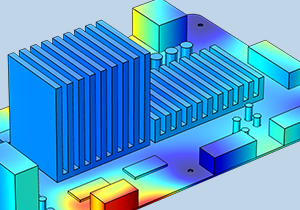
Multiphysics Modeling of Electronic Components
Webinaire
Mar 20
Affichage de 6 sur 75 évènements
Affichage de 75 sur 75 évènements
- Informations Produit
- Produits
- Grille des Spécifications
- Types de Licence
- Configuration Requise
- Historique des Versions
- Société
- A propos de COMSOL
- Carrières
- Presse
- Contact
- |
- Politique de confidentialité
- |
- Trademarks
- |
- Cookie Settings
- © 2026 by COMSOL. Tous Droits réservés


