
NEXT ENERGY Analyzes Heat Transfer in Lithium-Ion Batteries
Gerd Liebig, Pamina Bohn, NEXT ENERGY EWE Research Centre for Energy Technology, Germany
Lithium-ion batteries, which have a tendency to degrade at high temperatures, must adhere to stringent regulations guaranteeing their ability to withstand operating temperature fluctuations. Researchers at NEXT ENERGY used heat transfer modeling to study whether high welding temperatures can create enough temperature propagation within cells to cause irreversible damage, such as electrolyte decomposition and capacity loss. They discovered that tab welding can, in fact, induce irreversible damage, but laser welding is significantly less detrimental.
Suggested Stories
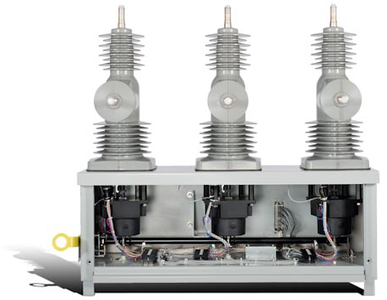
How Reclosers Ensure a Steady Supply of Power: It’s All in the Magnet
When a tree branch touches overhead cables and causes a momentary short circuit, your lights may flicker. A device ...
Revving up Electrohydraulic Power Steering with Virtual Prototyping
In the automobile industry, the only thing faster than the cars that are produced is their design cycle. Validation ...
Keynote: Simulation of MEMS Sensors at Bosch
In this keynote talk at the COMSOL Conference 2025 Amsterdam, Daniel Maier of Bosch discusses MEMS sensors and the ...
Get an Inside Look at an Innovative Rainwater Drainage System
Step into a busy neighborhood in Copenhagen, Denmark, to see how a multidisciplinary urban planning team used ...


