
Shuya Yoshioka
Ritsumeikan University
Shiga, Japan
Human activity steals oxygen from natural water sources such as lakes and this oxygen-deficient water often contains high levels of toxic substances such as metals and organic material. Thus the number of lakes that can be used as a source of water is reduced, straining the available resources and creating a need for water-treatment plants of water which can have negative impacts when powered using fossil fuels.
Treating this oxygen-deficient water can be done by injecting oxygen microbubbles into the water to oxidize the metals and cause them to precipitate and stimulate the activity of mircro-organisms that breach down organic material. In testing the volume of microbubbles needed and the appropriate size of those bubbles, a team at Ritsumeikan University in Japan used COMSOL Multiphysics to predict all environmental phenomena having an impact on the body of water (wind, water flow, temperature, chemical reactions, and diffusion).
The team was able to test optimal depth and location for the introduction of the microbubbles in the Sounoseki Dam and is now using COMSOL Multiphysics to apply this process in other locations.
Suggested Stories
Industrial Applications of Carbon and Graphite for Thermal Management
At GrafTech International, engineers develop carbon and graphite products for applications from consumer electronics ...
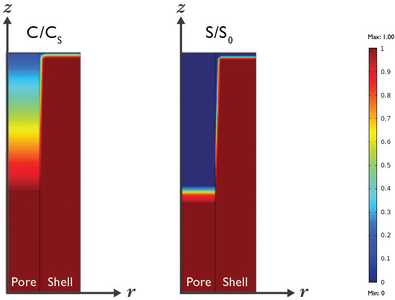
Simulating the Release Mechanism in Drug-Eluting Stents
Stent insertion through the coronary artery is a common procedure used to treat restricted blood flow to the heart ...
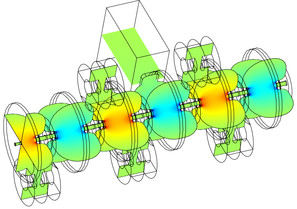
MRI Tumor-Tracked Cancer Treatment
Radiation therapy targeting in cancer treatment involves many uncertainties, including the movement of targeted sites ...
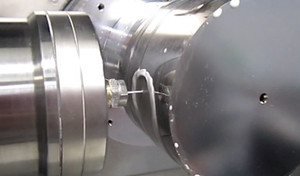
A Smooth Optical Surface in Minutes
Zeeko Ltd is a technology company that manufactures corrective polishing machines for optics and other surfaces. They ...


