
Researchers Use Simulation to Test Implantable Hearing Devices
Patrik Kennes
Cochlear Technology Centre, Mechelen, Belgium
Cochlear Technology Centre Europe (CTCE) develops new technology for hearing implants. Their current work is with a new type of hearing implant, a Direct Acoustic Cochlear Implant called CodacsTM. This product imposes structural, pressure waves directly to the cochlea, stimulating it this way, as opposed to amplifying sound.
Using COMSOL Multiphysics, the team was able to test the many different characterics of the device, and physical phenomena affecting it. This included the structural, acoustics, electromagnetic, and piezeoelectric properties and design of the implant. Their analyses saved the team from a costly trial-and-error approach and permitted them to optimize their new technology using the one simulating technology on the one uniform platform.
Codacs is a trademark of Cochlear Ltd.
Suggested Stories
Training Uncrewed Underwater Vehicles for Visualization of Subsurface Structures
By using simulation apps and machine learning techniques, USM researchers are laying the groundwork for UUVs capable ...
Simulation Applications Streamline the Development of Electric Vehicle Motors
Engineers at Volkswagen Kassel build and distribute simulation applications that can be used to evaluate the strength ...
Illuminating the Physics Behind Electromagnetics Concepts with Applications
Electrical engineering students find it hard to visualize the electromagnetics concepts they are learning. To remedy ...
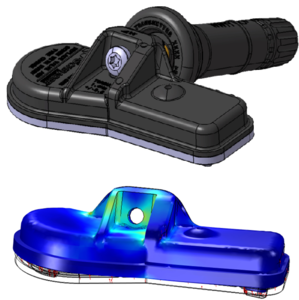
Optimizing Built-in Tire Pressure Monitoring Sensors
Built-in tire pressure sensors need to be able to withstand the wear and tear of working within a car’s tire rim. ...


