
Simulation Turns Up the Heat and Energy Efficiency at Whirlpool Corporation
N. Garcia-Polanco
Whirlpool Corporation, Italy
Engineers working on a joint research project between Whirlpool Corporation and the European initiative GREENKITCHEN project are using simulation to improve the energy efficiency of domestic ovens. Since only ten to twelve percent of the total energy expended by an oven is actually used to heat the food, the researchers had plenty to investigate. Using COMSOL Multiphysics® software and the Heat Transfer Module, the team created a model of Whirlpool’s Minerva oven to study the heat transfer processes of convection, conduction, and radiation. The resulting model, which simulates the standard test for energy consumption in the European Union (known as the “brick test”), analyzes the energy, temperature profile, and moisture concentration over different heating cycles. The results of this study will help with future initiatives at Whirlpool and GREENKITCHEN to reduce national energy consumption and improve energy efficiency in Europe.
Suggested Stories
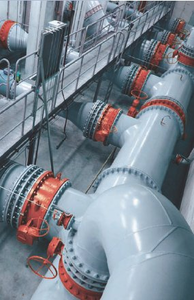
Fine Tuning for Water Purification
Amsterdam Water Supply (AWS) of the Netherlands produces some of the cleanest drinking water in the world using an ...
Optimizing Heat Exchanger Designs for Refrigeration and Cooling Technology
thermofin GmbH, a leading manufacturer of heat exchangers, ensures that their devices are optimized for a variety of ...
The Sweet Side of Simulation Behind the Scenes at Nestlé
To produce chocolate, wafers, cereals, and everything in between, R&D engineers at Nestlé’s Product Technology ...
Optimizing Fluid Sensors for Industrial Process Measurement
Endress+Hauser, a global leader in measurement instrumentation for industrial process engineering, is using ...


