
G. Barbella, P. Geraldini
Sogin, Italy
Nuclear sites in Italy are being decommissioned, leaving questions about how to safely manage and store radioactive waste. Nuclear waste can be stored temporarily in steel drums encased in concrete, but environmental factors must be carefully controlled to prevent corrosion of the steel. It is difficult to constantly monitor the corrosion process, and the relative humidity in the storage area must be kept below 65 percent. However, normal HVAC systems are an impractical solution in this case because of the operating costs, the need for regular maintenance, and the reduction they would cause to the available storage space. Engineers at Sogin S.p.A. turned to simulation to shed light on these requirements and ways to meet them effectively. Industrial isothermal dehumidifiers were chosen as a lower-cost, smaller, and more mobile alternative to HVAC systems. Using COMSOL Multiphysics, the team modeled air flow in the storage area as well as heat and moisture transfer in the room's atmosphere. Based on the results, they were able to determine the optimum layout for the dehumidifying units, reducing the number of units needed as well as the risk of corrosion.
Suggested Stories
Shake, Rattle, and Roll
The Norwegian Geotechnical Institute (NGI) is an international center for research and consulting that investigates ...
Simulation Summit Panel: The Multiphysics Roadmap
Speakers from NVIDIA, Stanford University, and MathWorks, as well as COMSOL and moderator DE 24/7, discuss the future ...
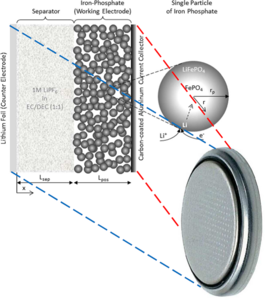
Highly Accurate Li-ion Battery Simulation
Battery management systems (BMSs) are designed to protect the batteries and predict their charge level. They use ...
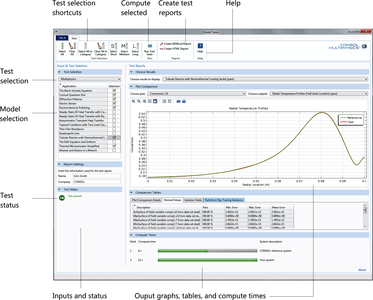
Nuclear-Safety-Related SQA Procedure Automation with Custom Applications
In an environment as highly regulated and potentially dangerous as the nuclear industry, software quality assurance ...


